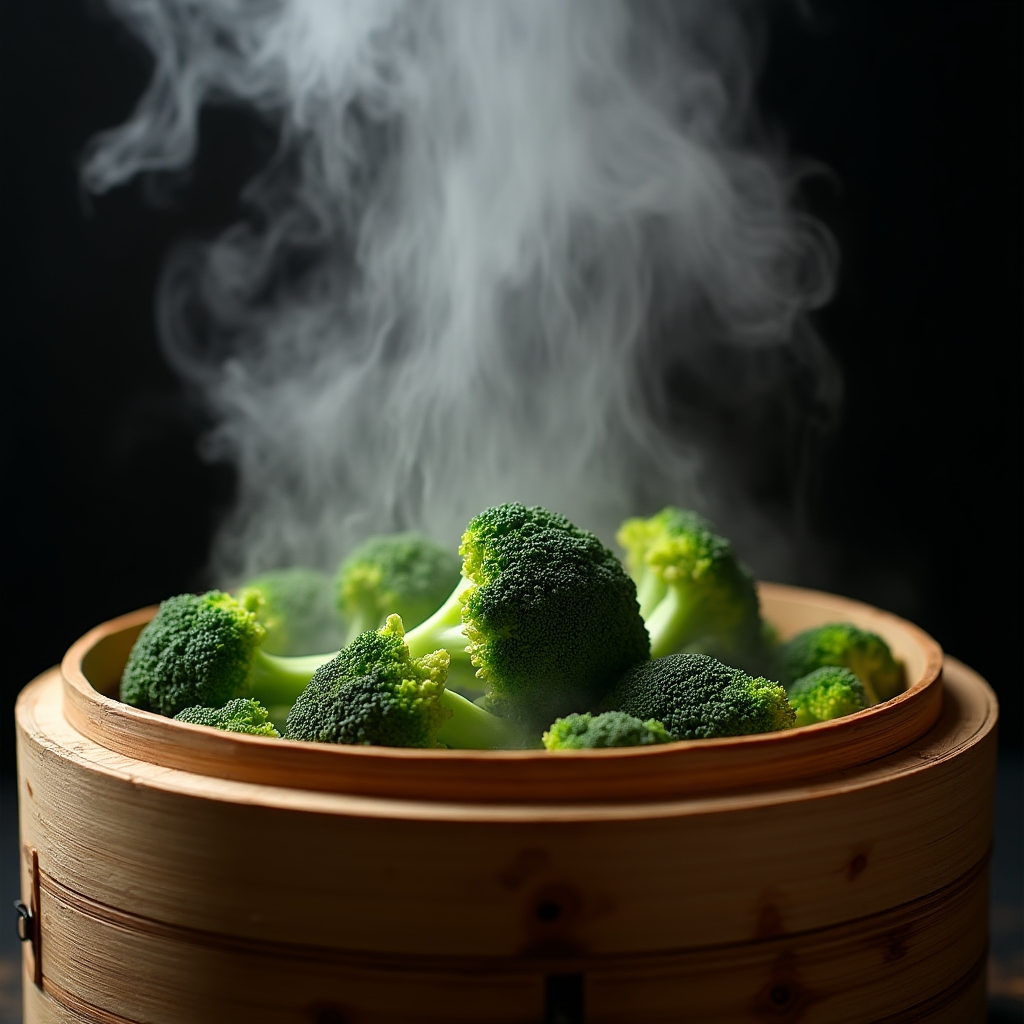
Steam rising from freshly cooked broccoli florets
Food Science. Plain Language.

What actually happens when you cook your food

Every heat source, every pot of water, every fermentation jar changes the chemistry of what you eat. Roluxo translates food science research into kitchen-ready understanding — no lab coat required.
The Premise

You already cook. This is about what cooking does.

Picture this: you toss broccoli into a pot of boiling water, drain it after five minutes, and plate it. Dinner is served. But somewhere in that pot, water-soluble vitamins leached out and poured down the drain. The broccoli looks the same. It tastes roughly the same. Yet something measurable changed.

That gap — between what food looks like and what it delivers — is exactly what Roluxo explores. We pull from peer-reviewed food science journals and translate the findings into concepts any curious cook can use. Not rules. Not prescriptions. Just understanding.

Four questions that change how you cook

Each one has a science-backed answer that surprises most home cooks.

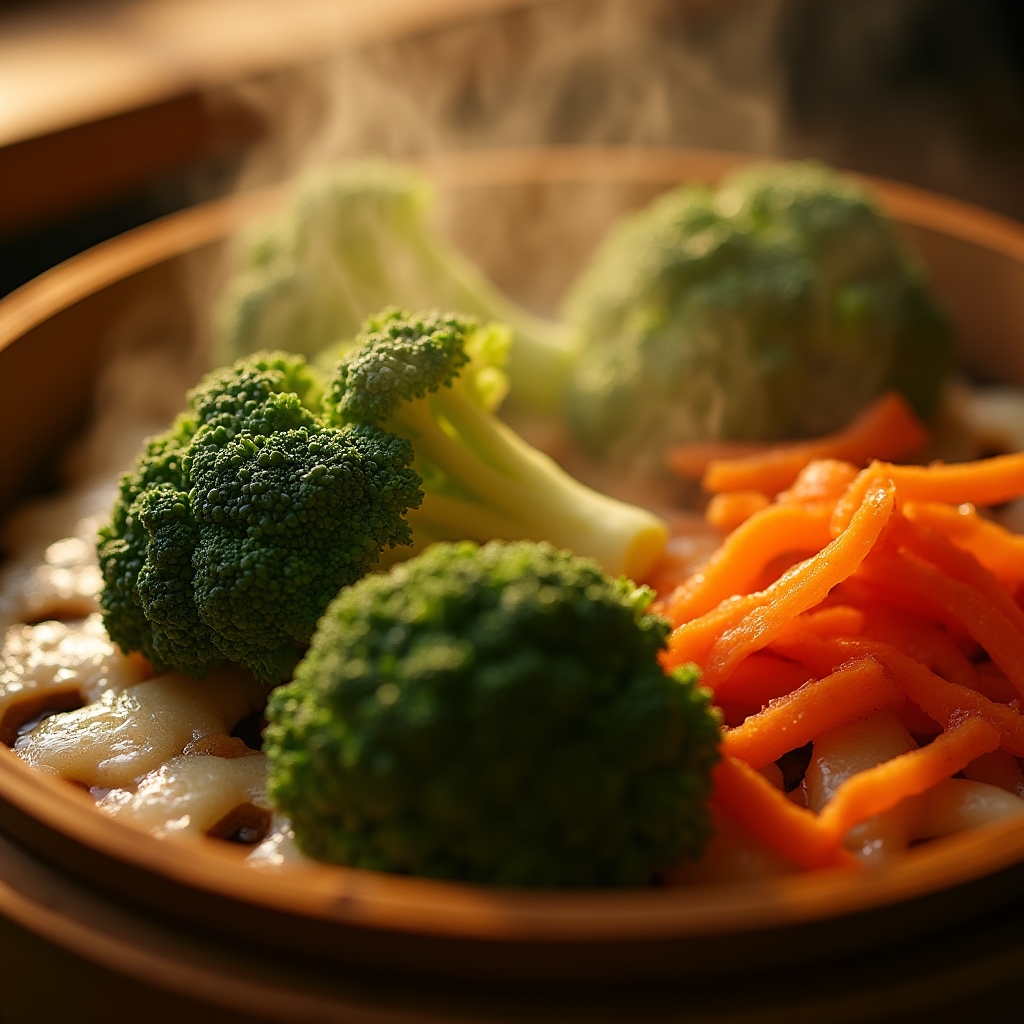
Close-up of broccoli florets suspended above boiling water in a bamboo steamer
Heat Transfer

Steam vs. boil: why the water matters

Boiling submerges vegetables in water and opens a direct escape route for water-soluble compounds. Steaming keeps food above the water line. The difference in what stays in the vegetable is not trivial.

Read the science
Lipid Chemistry

What overheating olive oil actually does

Polyphenols in olive oil are heat-sensitive. Push past the smoke point and oxidation products form. The oil changes — chemically, measurably.

Explore
Fermentation

How fermentation unlocks what's already there

Phytic acid in raw vegetables can bind to minerals and limit absorption. Fermentation breaks that bond. The mineral content stays the same — but availability shifts.

Explore
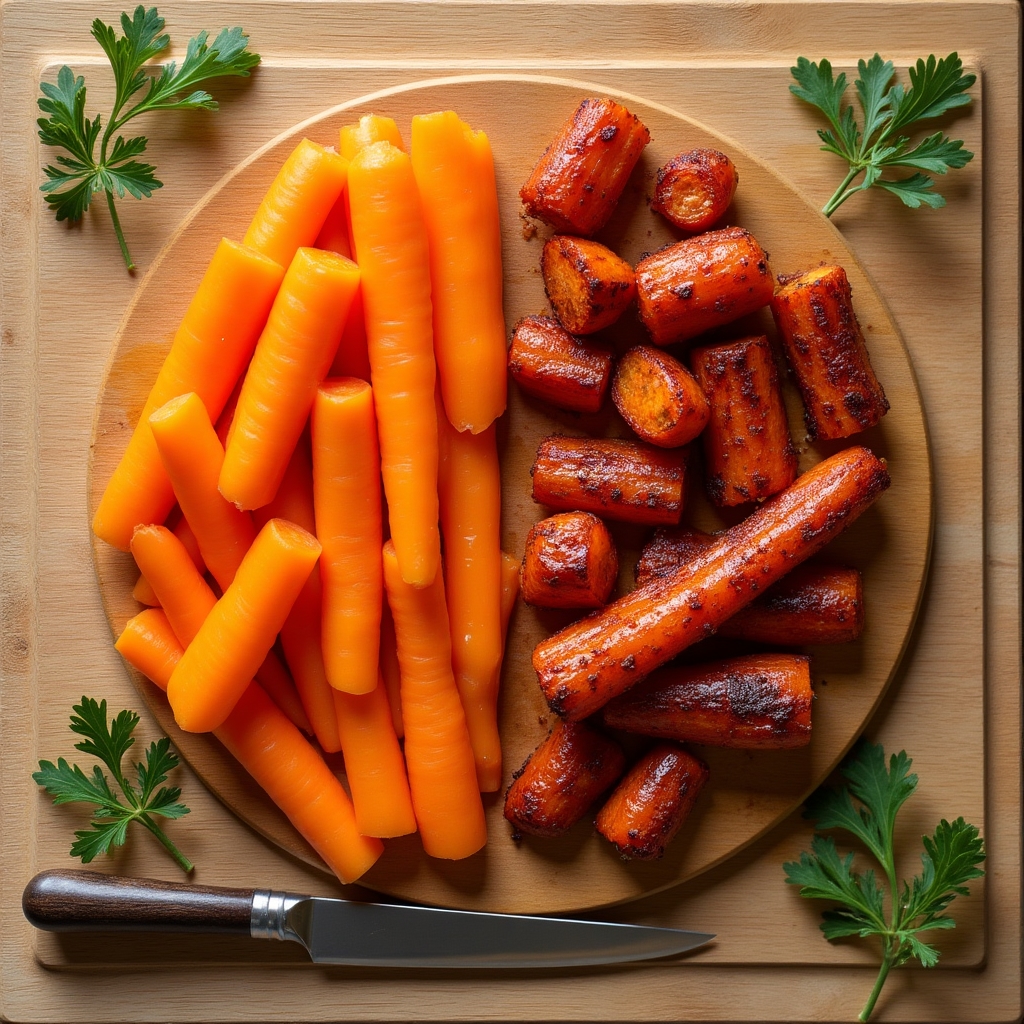
Side by side comparison of raw orange carrot sticks and roasted glazed carrot pieces on a wooden board
Bioavailability

Raw carrot vs. cooked carrot: different gifts

Raw carrots deliver intact cell walls and certain enzymes. Cooked carrots break down those walls and release beta-carotene in a form the body absorbs more readily. Neither is wrong. They're just different.

Read more
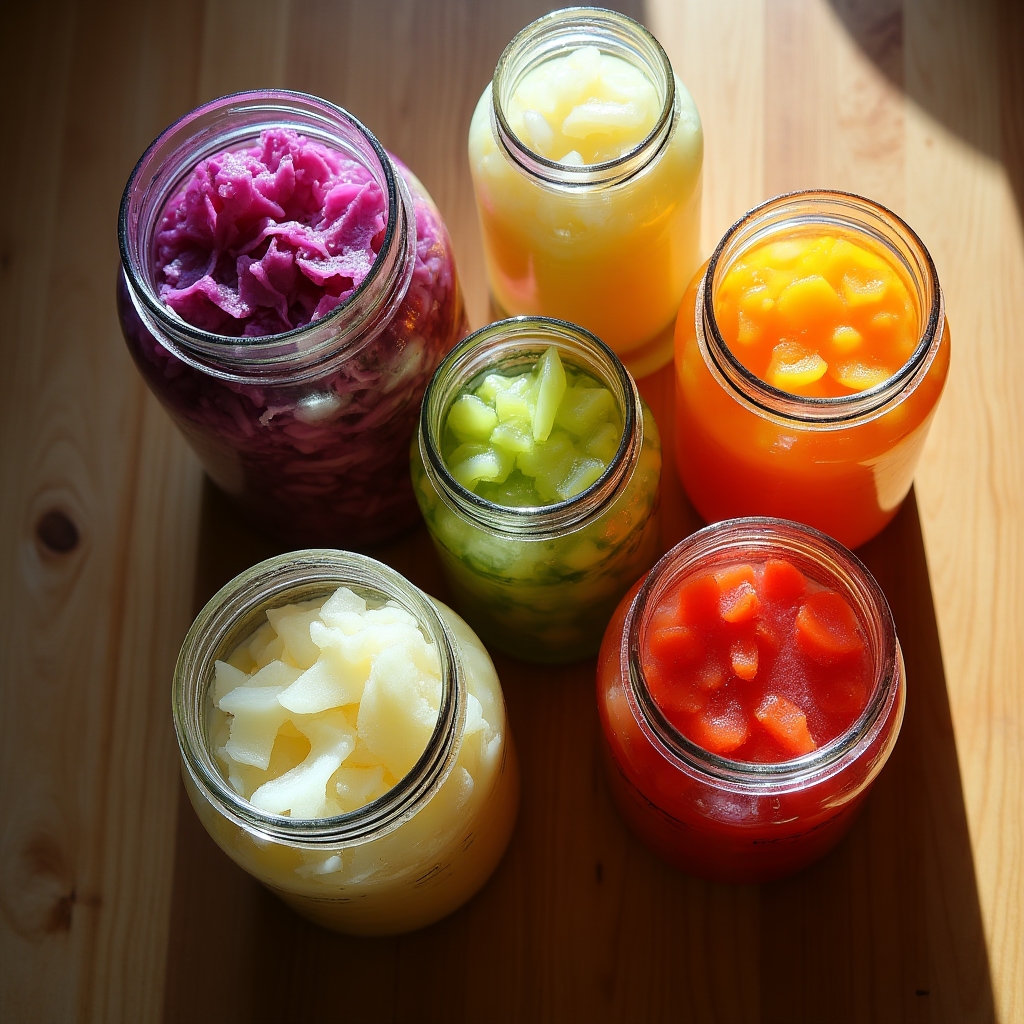
Row of glass fermentation jars with colorful vegetables on a warm kitchen counter bathed in afternoon light

Reading food science without a chemistry degree

Food science journals publish findings in a language built for researchers. Terms like "polyphenol oxidation kinetics" and "phytate hydrolysis rates" carry real meaning — but they create a wall between the science and the kitchen.

Roluxo sits at that wall and translates. Every post connects a published finding to a practical cooking context. We don't simplify to the point of inaccuracy. We explain until the concept clicks.

See who reads Roluxo

How a cooking question becomes a Roluxo post

Every article follows the same research-to-kitchen pipeline.

01

A kitchen question surfaces

Someone wonders why their roasted garlic smells different from raw garlic, or whether microwaving destroys more nutrients than stovetop cooking. The question has to be specific enough to research.

02

Published research gets pulled

We search food science databases for peer-reviewed studies on that specific topic. Not blog posts. Not influencer claims. Actual published research with methodology and results.

03

The mechanism gets explained

What's actually happening at a molecular level? We explain the process in plain terms — cause and effect, not just conclusions. Understanding the why makes the information stick.

04

Kitchen context gets added

Lab conditions and home kitchens differ. We bridge that gap. What does the research suggest about how you actually cook? What variables matter in a real pan on a real stove?

05

The post goes live

No health claims. No prescriptions. Just clear, sourced explanation of what the science says and what it means for your cooking. Readers decide what to do with the information.

Topics we dig into

Start with a question you've already had

Does blanching really lock in color and nutrients? Why does garlic smell different when you crush it versus slice it? What happens to vitamin C in a slow cooker? These are exactly the questions Roluxo answers.