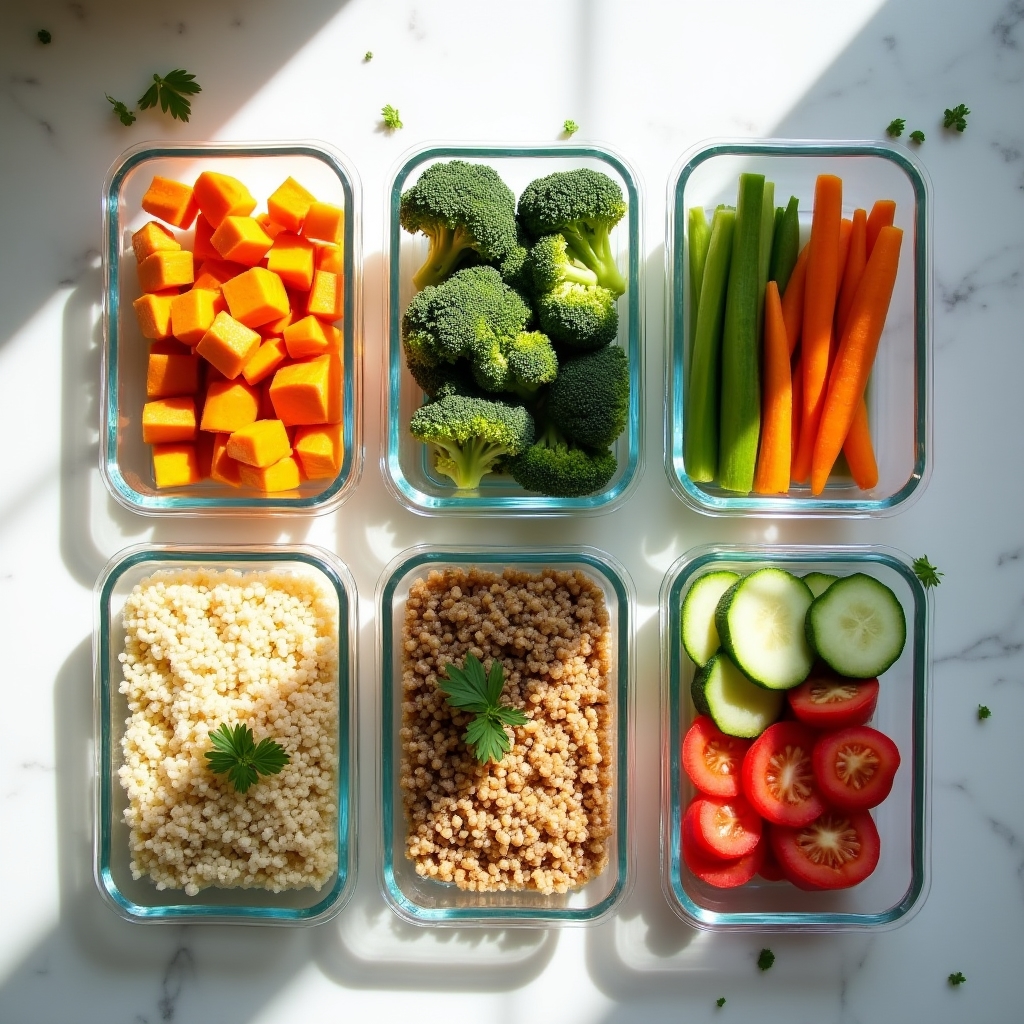
Technique Deep Dives
Meal Prep Blueprints
Each blueprint examines a cooking technique through the lens of food science — what changes, why it changes, and what the research actually says.
Each blueprint examines a cooking technique through the lens of food science — what changes, why it changes, and what the research actually says.
Drop broccoli into boiling water and something immediate happens: the water-soluble compounds inside those florets begin migrating outward. Vitamin C, folate, and glucosinolates — all of them move toward equilibrium with the surrounding water. The longer the contact, the more transfer occurs.
Steaming keeps the vegetable above the water line entirely. The cooking medium is steam, not liquid water. Without direct water contact, those same compounds have nowhere to migrate. They stay in the vegetable.
Research published in food chemistry journals has measured this difference across multiple vegetables. The mechanism is straightforward: leaching requires a concentration gradient and a liquid medium. Remove the liquid medium and leaching drops dramatically.
The cooking time matters too. Shorter steaming preserves more than longer steaming, even when no boiling water is involved. Heat duration is a second variable operating independently of the water contact question.
Microwaving with minimal water sits closer to steaming than boiling on this spectrum. The key variable is always: how much liquid water surrounds the food during cooking?
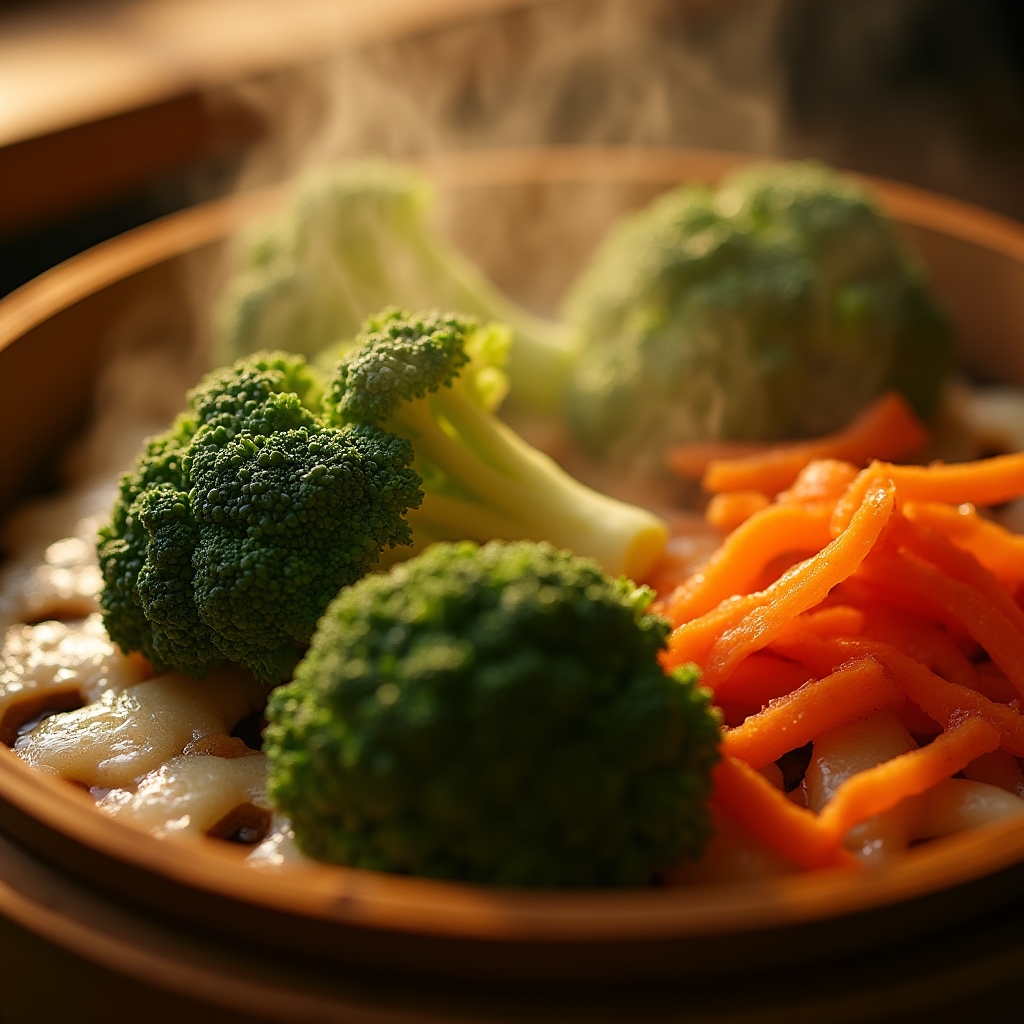
Water-soluble vitamins follow concentration gradients. Liquid water creates the pathway for leaching. Steam cooking eliminates that pathway.
Extra virgin olive oil carries a specific chemical profile: free fatty acids, tocopherols, and polyphenols — particularly hydroxytyrosol and oleuropein. These compounds are what distinguish extra virgin from refined olive oil. They're also heat-sensitive.
The smoke point of olive oil sits in a range that varies by quality and freshness. Pushing oil past its smoke point triggers oxidation. Free radicals form. Polyphenol concentrations drop. The oil you're cooking with becomes chemically different from the oil you started with.
This doesn't mean olive oil becomes harmful at high heat — the research on that question is more nuanced than popular coverage suggests. What it does mean is that the specific compounds that make extra virgin olive oil distinctive begin to degrade.
Using refined olive oil for high-heat cooking and reserving extra virgin for finishing and lower-heat applications preserves the polyphenol content where it matters most — in the final dish.
Temperature monitoring matters here. A thermometer in the pan tells you more than visual smoke cues, which can vary by pan material, oil volume, and ambient conditions.
Polyphenol degradation in olive oil follows temperature and time. Both variables matter independently. Brief high heat differs from sustained medium heat.
Raw vegetables contain minerals. They also contain phytic acid, which binds to those minerals and forms complexes the human digestive system doesn't easily break apart. The mineral is present. The access is limited.
Fermentation changes this. Lactic acid bacteria produce phytase — an enzyme that breaks down phytic acid. As fermentation proceeds, the phytate-mineral complexes dissolve. The minerals don't increase in quantity, but their availability to the digestive system increases.
The same process affects other compounds. Certain B vitamins increase during fermentation as bacteria synthesize them. Tannins, which can interfere with iron absorption, decrease. The vegetable's chemical landscape shifts over the course of fermentation in ways that affect how the body interacts with it.
Fermentation time and temperature both affect how far these processes proceed. A 24-hour ferment and a 5-day ferment of the same vegetable produce measurably different chemical profiles.
Traditional food cultures developed fermentation practices long before the biochemistry was understood. The science now explains why those practices produced outcomes people noticed empirically.
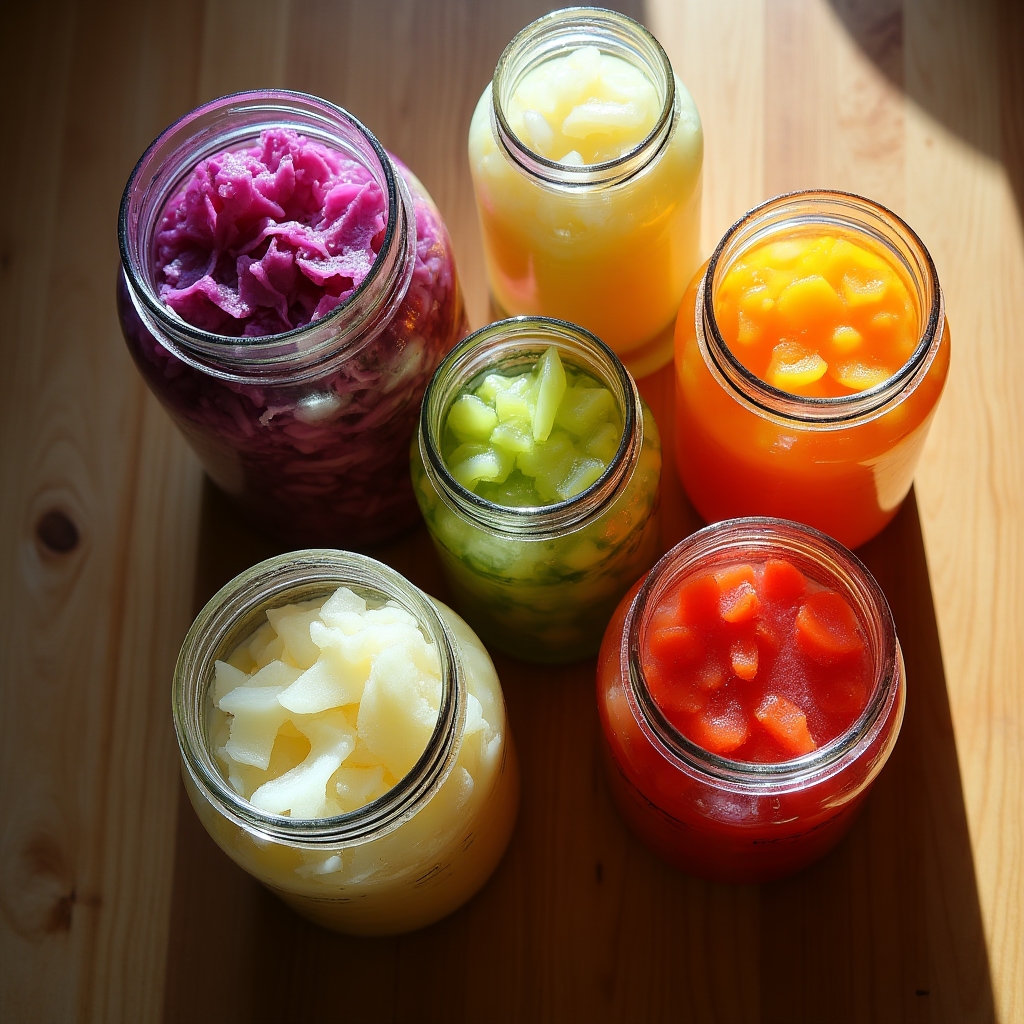
Phytase produced by lactic acid bacteria breaks phytate-mineral bonds. Availability increases without any change in total mineral content.
The carrot question illustrates a broader principle. Raw carrots contain beta-carotene locked inside intact plant cells. The cell walls act as a physical barrier. Chewing breaks some cells, but many remain intact. The beta-carotene inside those cells passes through the digestive system without being absorbed.
Cooking breaks down cell walls. The beta-carotene releases. Absorption increases substantially. But cooking also deactivates certain enzymes present in raw carrots — enzymes that may play roles in the digestive process itself. The cooked carrot delivers more beta-carotene but a different enzymatic profile.
Neither form is superior. They deliver different things. A diet that includes both raw and cooked vegetables takes advantage of both profiles.
Fat-soluble carotenoids like beta-carotene absorb better when eaten with dietary fat. Cooking carrots in a small amount of oil — or serving them alongside a fat source — affects absorption independently of the raw-versus-cooked question.
This pattern repeats across many vegetables. Tomatoes cooked in oil deliver more bioavailable lycopene than raw tomatoes. Raw spinach delivers more folate than cooked spinach. The research supports variety over any single approach.
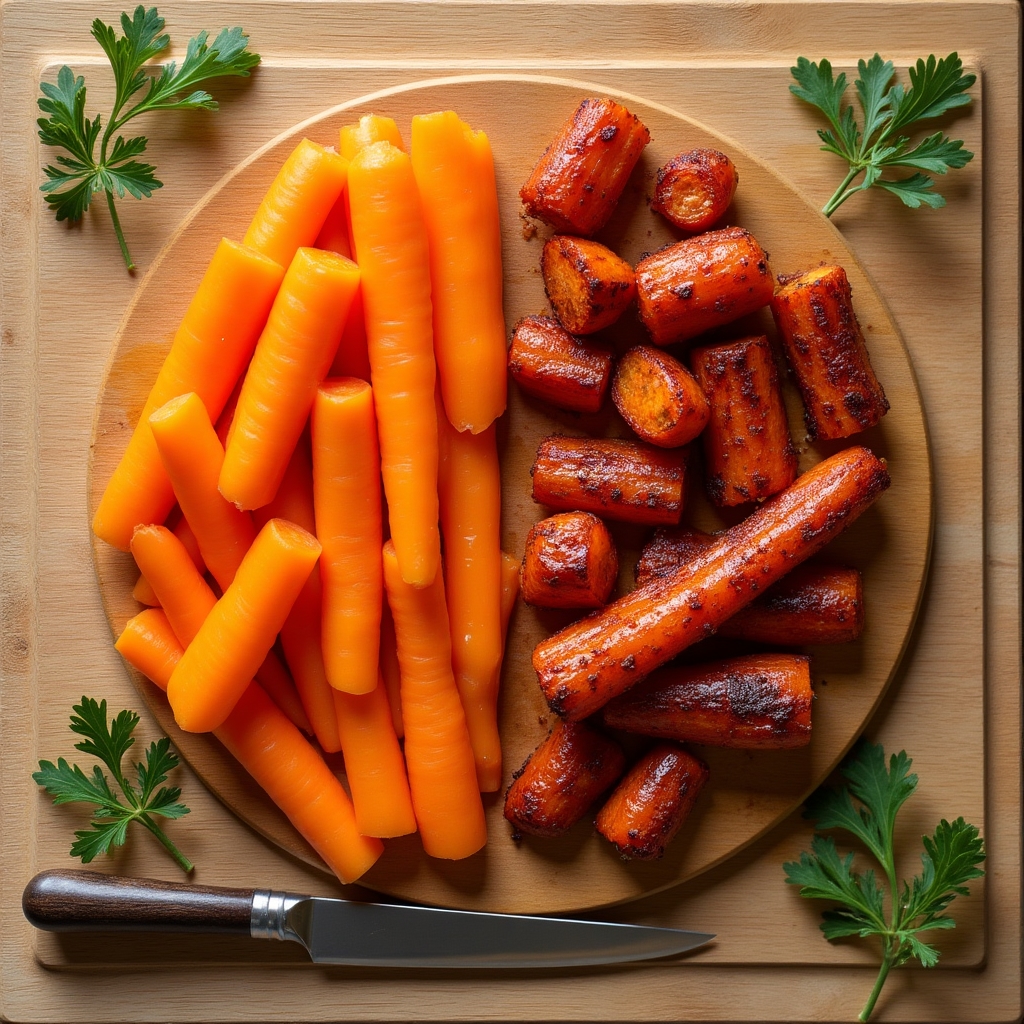
Cell wall integrity determines physical accessibility. Cooking breaks walls and increases carotenoid release. Raw preserves enzymes and certain heat-sensitive vitamins.
The same food science that applies in a home kitchen applies on a camp stove, a backpacking trip, or a day hike. The Outdoor Enthusiasts section covers nutrient preservation when cooking conditions are limited.