Field Kitchen Science
Outdoor Enthusiasts
The same food chemistry principles that apply in a home kitchen follow you onto the trail. Understanding them changes how you pack, prep, and cook in the field.
The same food chemistry principles that apply in a home kitchen follow you onto the trail. Understanding them changes how you pack, prep, and cook in the field.
A backpacking stove runs hot and uneven. Altitude lowers the boiling point of water. You carry weight, so food choices involve tradeoffs. You might cook once a day and eat the rest raw or rehydrated. Each of these conditions affects what happens to the nutrients in your food.
This section applies the food science principles covered in the Meal Prep Blueprints to outdoor cooking contexts. The mechanisms don't change. The cooking conditions do.
Water boils at lower temperatures at altitude. At 8,000 feet, water boils around 197°F instead of 212°F. This changes cooking times and affects how heat penetrates food. Vegetables take longer to cook through, which means longer exposure time to whatever cooking method you're using.
For water-soluble vitamins, longer cooking time in water means more leaching opportunity, even if the water temperature is lower. The tradeoff between undercooking and over-leaching becomes more complex at elevation.
Dehydration removes water from food at controlled temperatures, typically between 95°F and 145°F depending on the food type. This range matters: higher dehydration temperatures degrade heat-sensitive compounds more than lower temperatures, but lower temperatures require longer drying times.
Rehydration with hot water adds another heat exposure event. The total heat exposure across dehydration and rehydration both contribute to the final nutrient profile of the food you eat.
Nuts, seeds, dried fruit, raw vegetables — these form the backbone of many trail diets. The raw-versus-cooked principles from the Meal Prep Blueprints apply directly here. Raw carrots, celery, and bell peppers deliver intact cell walls and heat-sensitive vitamins. They also deliver the physical work of chewing that mechanical digestion depends on.
Fat-soluble compounds in raw vegetables still need dietary fat for absorption. Trail mix that combines raw vegetables with nuts covers both variables simultaneously.
Backpacking stoves run hot and offer limited temperature control. This matters for oil cooking: pushing cooking fats past their smoke point happens quickly on a small high-output stove. Using oils with higher smoke points for camp cooking reduces oxidation during high-heat cooking.
Steaming remains possible on a camp stove with a small folding steamer insert. The water contact principle doesn't change with the heat source. Minimal water, short cooking time still preserves more than long submersion boiling.
Fermented foods like kimchi, miso, and certain pickled vegetables travel well and require no cooking. The fermentation process that increases mineral bioavailability happens before the trip. In the field, you get the benefit without the equipment or time requirement.
Miso dissolves in hot water and delivers fermented compounds alongside sodium, which matters for electrolyte balance during sustained physical activity. The food science and the practical trail need align unusually well here.
Pre-soaking legumes before a trip reduces cooking time in the field, which reduces fuel consumption and reduces heat exposure time for heat-sensitive compounds. The soaking process also initiates phytate breakdown, similar to fermentation, improving mineral availability.
Instant oats versus rolled oats versus steel-cut oats represent different processing levels — each with different cooking time requirements and different structural integrity going into the pot. The processing that creates "instant" oats changes the physical structure of the grain.
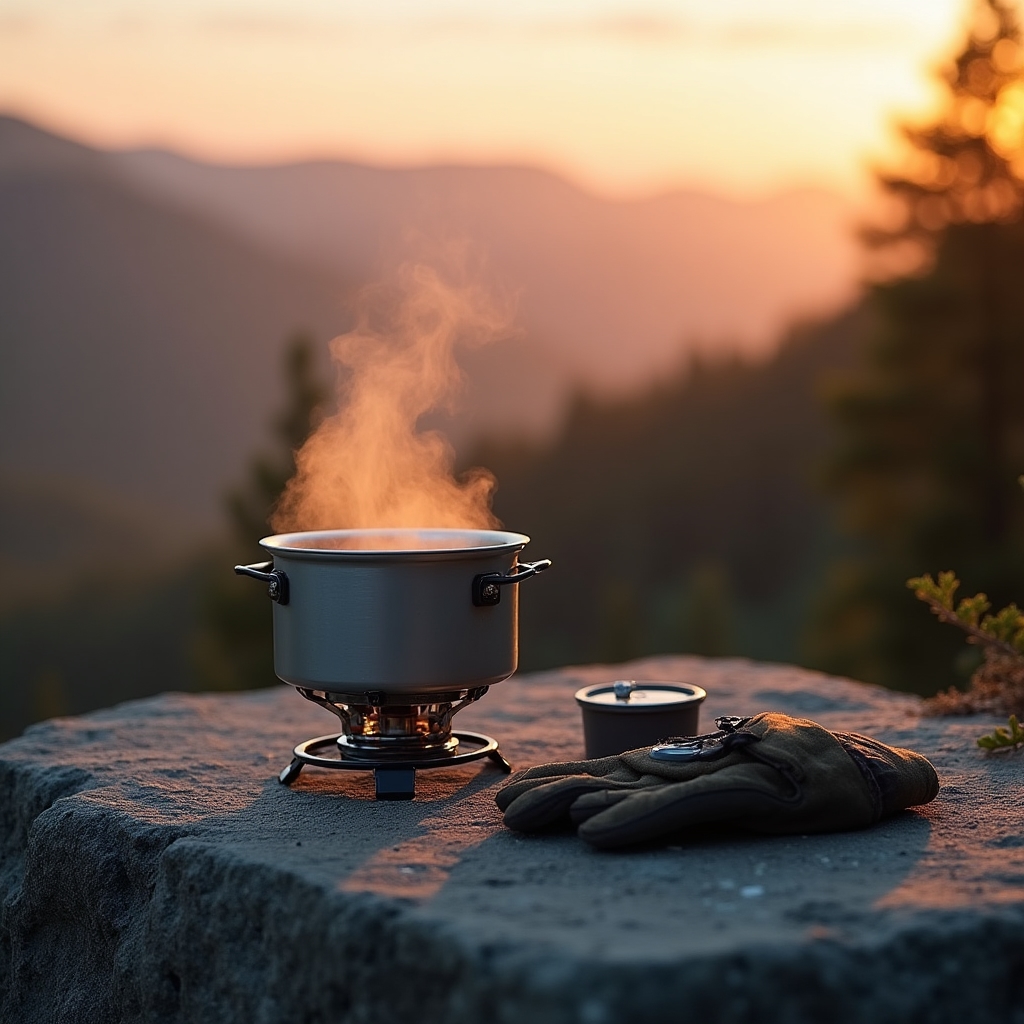
Water contact, heat duration, oxidation, bioavailability — these mechanisms operate the same way regardless of whether you're in a fully equipped kitchen or cooking on a granite slab at 10,000 feet. The constraints change. The chemistry doesn't.
Understanding the mechanisms gives you flexibility. When you know why steaming preserves more than boiling, you can adapt that principle to whatever equipment you have available. When you know that fat increases carotenoid absorption, you can apply that across any meal format.
Read the full BlueprintsIf you cook in unusual conditions and want to understand what the food science says about your specific situation, reach out. We cover topics based on what readers are actually curious about.